Image by mi-viri from Getty Images

Image by mi-viri from Getty Images
Unlocking Interoception: Mind-Body Exercises for Deeper Relationships

Cultural conditioning trains us to ignore the messages from our bodies, which fucks our self-confidence and compels us to look for answers outside ourselves. Rebuilding this connection is crucial for reclaiming our agency. This blog unpacks the role of interoception in relationships and introduces practical mind-body exercises designed to develop and deepen your emotional connections.
🧭 How to Use This Blog
This blog is designed a bit differently. Instead of giving you big ideas and saving the "how" for a product pitch at the end, I like to walk you through the process step-by-step—with practical tools you can actually use. Think of it like a workbook in blog form: hands-on, reflective, and designed to support real insight.
You’ll find:
-
💡 Reflection prompts woven throughout, which you can sit with quietly or journal through—whatever suits your style
- 📝 Exercises to guide you through specific steps, practices, or processes
-
🛠️ Tools and worksheets to help you go deeper——some are free, some are paid
- 📄 Reference sheets for quick, printable overviews of key ideas that go beyond what’s covered in the blog
-
👣 Optional next steps at the end, if you'd like to work with me directly
You can dip in or dive deep. No need to “do it right”—the way you engage is the right way for right now. My goal is to make the ideas doable—not just understandable. (And if you’re overthinking that, hi. You’re among friends.)
From the time we're born, societal norms and cultural conditioning train us to ignore the signals from our bodies. Because why pay attention to your body, when you could be pursuing perfection & productivity?! This fucks with self-confidence, erodes self-esteem, and makes us doubt our ability to understand our own minds and bodies. It disrupts the core of being human—being able to trust ourselves to interpret what’s going on around us—and leads us to rely way too much on others for approval or advice.
Importantly, across a broad range of disciplines—from neuroscience to holistic health—there’s agreement: mind-body exercises are the most effective way to improve interoception. Practicing mind-body exercises isn’t some passing trend; it’s a universally recognised pathway to enhancing our understanding of ourselves and each other.

📖 Tuning In To Interoception: What Is It?
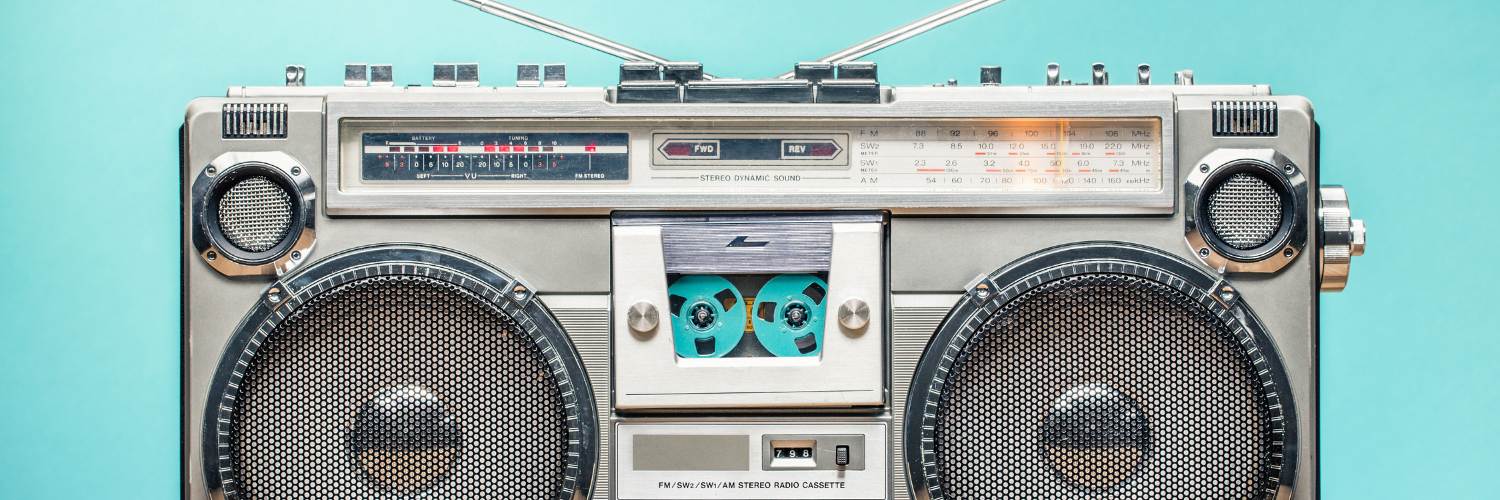
Imagine each sensor in your body has been equipped with a tiny walkie-talkie to maintain contact with your brain. The continuous two-way conversation between your brain and your skin, tendons, muscle, bones, and organs is known as interoception. That's a mashup of the words 'internal' and 'perception'. Makes sense, right?! This signalling provides information about your body-mind's internal state and allows you to respond appropriately.
Practicing mind-body exercises can enhance this dialogue, promoting clearer signals and a deeper understanding of your body’s needs. The effectiveness and efficiency of that conversation, much like the use of handheld radios, depend on factors such as signal type, signal strength, interference, bandwidth, precise tuning, and a shared understanding of message structure and language.
A well-tuned, clear message might sound something like this:
"Brain, this is Stomach. Status update: mild hunger. No action required. Over."
"Stomach, copy that. Maintain current activity and await further instructions. Out."
In contrast, the same message with a weak signal or transmission interference might sound like this:
"Brain, this is Stomach... hunger... action required. Over."
"Stomach, copy that. Proceeding to the fridge! Out."
The internal signals are the same but the message is garbled and the interpretation (and action) incorrect.
Interoception sub-modalities include;
- the beating of your heart
- breathing
- hunger & thirst
- fullness of your bladder or bowel
- temperature
- pain & pleasure
- tiredness & fatigue
- sexual arousal
- muscle tension (tightness or relaxation)
- stomach 'butterflies' of excitement or nervousness
It also includes awareness of deeper internal processes like digestion, and sensations associated with emotions.
Key Frequencies for Mastering Interoception
Much like clear radio communications depend on a blend of signal quality, receiver sensitivity, modulation, bandwidth, and network reliability, our interoceptive awareness requires the integration of five key dimensions. According to the authors of The Multidimensional Assessment of Interoceptive Awareness (MAIA), those dimensions are:
- Awareness of body sensations
- Emotional reaction & attentional response
- Capacity to regulate attention
- Trusting body sensations
- Mind-body integration
Each dimension can be measured across 8 scales;
- Noticing: Awareness of uncomfortable, comfortable, and neutral body sensations
- Not-Distracting: Your tendency to stay tuned in, rather than tune out or ignore sensations of pain or discomfort.
- Not-Worrying: Tendency not to worry or experience emotional distress with sensations of pain or discomfort, attuning to the signal without distorting the message.
- Attention Regulation: Ability to sustain and control attention to body sensations
- Emotional Awareness: Awareness of the connection between body sensations and emotional states, like being able to identify the genre of a song.
- Self-Regulation: Ability to regulate distress by attention to body sensations
- Body Listening: Active listening to the body for insight
- Trusting: Experience of one’s body as safe and trustworthy.
This assessment tool is invaluable for identifying clear, measurable behaviours that describe specific aspects of interoceptive awareness. Feel free to go do the online version here; Multidimensional Assessment of Interoceptive Awareness (Version 2). You’ll get instant results without needing to sign up or provide your email!
Alternatively, you could also download for free the resources and Body Perception Questionnaire developed by Stephen Porges (a note on the polyvagal theory)

📖 Attuning to Self: How Interoception Impacts Relationships
Interoceptive awareness isn’t just an abstract skill; it's a vital feedback mechanism that enables us to navigate our relationships effectively. Your ability to tune into your interoceptive signals—your personal frequencies—significantly impacts key areas like setting personal boundaries, making decisions, understanding and regulating emotions, and experiencing pleasure. Mind-body exercises can enhance this awareness, helping you connect more deeply with your internal signals.
A significant part of my work with clients involves helping them clarify what they truly want. We often explore critical questions like: Should I stay or should I go? How do I know if this decision is right for me? Am I falling in love, or is it just chemistry? How can I maintain my boundaries more effectively? How do I stop people-pleasing? Why do I keep choosing the wrong partner? Answering these questions requires discerning one's own frequencies from the loud, distorting signals of others.
Without strong interoceptive awareness, you'll not only misinterpret your own signals but it will also significantly impair your understanding of other people. This means that in any given situation, you are likely to misread, misunderstand, misinterpret, misjudge, and misrepresent what is actually happening for yourself and everyone else involved. This leads to serious flaws in reasoning like logical fallacies, unchecked cognitive biases, and frankly, high levels of fuckwittery.
Misattuned Frequencies: What Gets in the Way?
Interoceptive signals are processed by a part of the brain called the insula, which connects your mind and body in this bi-directional conversation. When your brain receives information from your sensory systems, the insula assesses this data and makes a judgment about whether the experience is 'pleasant' or 'unpleasant,' drawing from your history in a way that is processed faster than conscious thought. It's only after this assessment happens that we generate a conscious interpretation of those feelings; we tell ourselves a story to explain the assessment the insula has already made.
To be even more explicit, you're not consciously nor 'logically' assessing situations; rather, you're shaping your narrative to explain your instinctive responses.
However, numerous factors can disrupt your mind-body signals and reduce your level of interoceptive awareness. These factors include your lived experiences, levels of stress and trauma (both past and present), cultural influences, neurodiversity, disability, chronic illness, chronic pain, biological factors, nervous system sensitivity, social identities, and associated marginalisations and oppressions.
Interoceptive capacity can also be interrupted by factors like neurodevelopmental and psychological conditions such as ADHD, ASD, alexithymia, FASD, narcissism, sociopathy, and psychopathy, which influence how people perceive and make sense of their bodily signals. Plus, folks with sensory sensitivities—often referred to as empaths or highly sensitive persons (HSP)—might have either heightened or dulled interoceptive awareness. Different kinds of trauma, including physical trauma from birth, sexual trauma, emotional trauma, and chronic or acute stress, add even more complexity to this capacity, often resulting in nervous system dysregulation. Conditions like central sensitization and hypermobility can also be major players, along with medications that affect brain chemistry. All these factors combine to create the complex nature of interoception, impacting how we connect with our internal bodily states and react to our emotional experiences.
As a result of these factors, the insula can become dysregulated, interfering with our ability to interpret sensory data and respond appropriately. This can manifest in two ways:
- Dialed Down Responses: This results in a reduced ability to notice sensations like hunger, pain, temperature, discomfort, or emotional numbness. If you find yourself on the numb end of the scale, paying attention to your sensory experiences can activate the insula, gradually increasing its baseline activation and enhancing your awareness. Engaging with simple sensory experiences—like smelling a flower (olfactory), watching a sunset (visual), tasting your tea (gustatory), feeling your shower (kinaesthetic), or listening to nature (aural)—can be beneficial. The key is to be purposeful about these experiences and pay attention to your senses.
- Dialed Up Responses: Conversely, the insula may amplify sensations, making experiences feel disproportionate to the situation. This can involve central sensitisation and heightened sensitivity to sensory inputs, which may lead to increased anxiety as your mind-body reacts to these magnified signals. If you're on the dialed-up end of the scale, tuning into your interoceptive signals can help regulate your body, leading to small activations of the insula that gradually decrease the intensity of your feelings.
One of the wonderful aspects of using mind-body exercises to improve interoception is that, regardless of the source of signal interruption, the solution remains the same: practice.

📖 Overcoming Signal Interference: What Causes Interoceptive 'Static'?
Imagine you're trying to tune your car radio to a local station (fuck yeah I'm Gen-X)...
Sometimes as you scan through the stations you pick up ghosts; crackly voices or music that you can't quite hear. Sometimes there's lots of static when you're outside of the radio tower range, or you drive under power lines which cause electrical interference.
Attuning your interoceptive awareness is similar to tuning into those local stations; it’s about honing your ability to recognize your own signals while minimizing the static and interference that can distort them. Practicing mind-body exercises is a research backed, evidence-based approach to enhance this skill, allowing you to connect more effectively with your internal cues.
Some examples of static & interference are;
- Cultural Norms. For example, 'personal space'. You may have learned to allow people closer than you find comfortable, and to override the signal that tells you to move away.
- Gender Roles. For example, the gender in which you were socialised has rules about who can feel which emotions and how they may be expressed. You may have learned to ignore or override some interoceptive signals relating to emotions, and to tune into others instead.
- Social Expectations. For example, having to hug, kiss, or be touched by a relative. Children might be taught to "give Aunty Tara a hug" even if they don't feel comfortable. They learn to override their internal signals that guide them to know whether they feel safe or comfortable (or not). This persists throughout our lifetimes with expectations about handshakes, eye contact, hugging etc.
- Peer Pressure. For example, being pressured to eat/drink, or NOT to eat/drink in social situations against your interoceptive signals. Of course, there's also the stereotypical teenage examples of being pressured to do something that your body-mind is telling you is unsafe. This kind of pressure continues throughout the lifespan.
- Economic Status. For example, economic status dictates access to resources like healthcare, nutrition, and mental health support enormously impact physical health and ability to attune to internal signals. Additionally, the stability of employment, housing, education and opportunities are dictated by economic status which shape our capacity to notice internal states.
- Body Image Standards. For example, dieting, weight loss programs, health kicks. "Living in a female body, a Black body, an aging body, a fat body, a body with mental illness is to awaken daily to a planet that expects a certain set of apologies to already live on our tongues. There is a level of “not enough” or “too much” sewn into these strands of difference.” ~Sonya Renee Taylor, The Body is Not an Apology. As a result of those expectations, you may find yourself ignoring your internal signals that are telling you you're tired, hungry, thirsty, sore, injured, hurt, sad, in pursuit of forcing your body to fit those expectations.
- Ableism. For example, the wellness industrial complex, GPs who continually point to your 'discipline' of your body-mind as causing your illness or disability, social pressures to conform. "There is no standard of health that is achievable for all bodies. Our belief that there should be anchors the systemic oppression of ableism and reinforces the notion that people with illnesses and disabilities have defective bodies rather than different bodies.” ~Sonya Renee Taylor, The Body is Not an Apology.
- Workplace Dynamics. For example, you might be expected to attend workplace social functions (in or outside of work hours), code switch, perform particular social roles, eat, drink, and toilet at specific times, perform with disregard for events occurring in your personal life. Honestly? Most workplace environments are designed to explicitly ignore bodies, and focus only on producing your work outcomes.
- Family Expectations. For example, performing social obligations, participating in activities that are part of your family's 'culture' (despite you not feeling like it's desirable for you), suppressing or expressing emotions in particular ways.
- Media Influences. For example, learning about romance, eroticism, and sexuality from media and popular culture. You may have learned there are ways to behave and experience those aspects of your human body-mind, but not learned how to attune to what YOU like or want. This can be especially hard to do in the presence of other body-minds who are experiencing their own static.
And on and on it goes...
📝 Mind-Body Exercises: Boosting Your Interoceptive Signals
In this section, we’ll explore mind-body exercises designed to enhance your interoceptive awareness, allowing you to tune into your body's signals more effectively. Just as fine-tuning a radio can help you catch a clearer signal, these exercises can help clarify the messages your body sends, improving your connection to your internal state.
🛠️ Mindfulness Practices
Mindfulness practices are the heart of mind-body exercises to improve interoception through present-moment bodily awareness. Research in neuroscience shows that mindfulness meditation fires up parts of the brain linked to emotional control and self-awareness, like the anterior insula and anterior cingulate cortex.
By paying attention to our breath, body sensations, and thoughts without judgement, we can develop a deeper sensitivity to what’s going on inside us. This increased awareness allows for better recognition of subtle bodily cues, enabling more accurate interpretation of emotions and reactions.
🛠️ Movement Practices
Dynamic movement based mind-body exercises can significantly improve interoceptive awareness through embodied experiences. Physical movement influences brain connectivity, particularly between the sensory cortex and the insula, regions crucial for processing interoceptive signals.
Bringing body-mindfulness to activities like yoga, dance, or tai chi allows you to explore your physicality and develop a nuanced understanding of your body's signals. This kind of physical engagement strengthens the link between movement and sensation, helping you get more in touch with how your body feels.
🛠️ Sensory Awareness Practices
Sensory awareness practices represent a vital category of mind-body exercises that enrich interoceptive awareness by heightening the perception of bodily sensations.
Purposefully engaging the senses—sight, sound, touch, taste, and smell—can enhance the brain's ability to interpret interoceptive signals through pathways that connect sensory input with emotional responses.
A note on Stephen Porges and Polyvagal Theory:
I'm writing this in February 2026 as it's been on my radar that there is controversy in the scientific community about the research and conclusions of Stephen Porges and the polyvagal theory. It seems, those have been present for some time but outside of my awareness!
This article explains some of the criticisms, and the title also succinctly summarises my current personal approach to the theory; somewhat questionable, but still helpful.
It's the approach I bring to all the tools I use in my work (and life!) knowing that it's crazy making to try to land somewhere objectively 'right' and that sometimes making the best of a bunch of imperfect approaches is as good as it gets. Of course, I will continue to think on this and (as with all things) continue to make values and evidence based decisions on what I will and won't continue to bring to my work.
On another note, the incredibly fucking dense tome authored by Porges (that I ground my way through) will not be missed and probably won't survive the next bookshelf cull!
* Craig A. D. (2015). How Do You Feel? An Interoceptive Moment with Your Neurobiological Self. Princeton, NJ: Princeton University Press; 10.1515/9781400852727
* Giroux C, Ahlers D, Miwotoe A. (2023). Polyvagal Approaches: scientifically questionable but useful in practice. Journal of psychiatry Reform vol. 10 #11, October 2023
* He, Y., Ge, L., Yuan, J., Wang, Y., Zheng, D., Rui, A., Song, J., Hu, L., & Wei, G.-X. (2024). Interoceptive awareness mediated the effects of a 15-minute diaphragmatic breathing on empathy for pain: A randomized controlled trial. Psychophysiology, 61(8), e14573. https://doi.org/10.1111/psyp.14573
* Markus A. Launer & Fatih Cetin (2023). Theory on three rational and nine intuitive Decision-Making Styles (12 types). A Working Paper by Ostfalia Hochschule für angewandte Wissenschaften Braunschweig / Wolfenbüttel, Standort Suderburg, Fakultät H, Studiengang Handel und Logistik; 10.13140/RG.2.2.33366.42568 , ISSN 2198-9184